



07
2026
-
08
Find Your Zen: Designing a Hydrotherapy Home Spa Sanctuary
Find Your Zen: Designing a Hydrotherapy Home Spa Sanctuary
Creating a tranquil environment for relaxation and rejuvenation is essential in today’s fast-paced world. A hydrotherapy home spa sanctuary brings the benefits of a spa to the comfort of your own home. By incorporating elements of hydrotherapy into your design, you can enhance your wellness journey significantly. In this comprehensive guide, we will cover everything from choosing the right bathtub to integrating other elements that promote relaxation.
Table of Contents
- Understanding Hydrotherapy: The Benefits and Basics
- Choosing the Perfect Bathtub for Your Spa
- Designing Your Spa Space: Layout and Aesthetics
- Integrating Nature: Plants and Natural Elements
- Lighting and Color Schemes: Setting the Mood
- Incorporating Relaxation Features: Showers, Saunas, and More
- Incorporating Spiritual Elements: Aromatherapy and Soundscapes
- Maintaining Your Spa Sanctuary: Tips for Longevity
- Frequently Asked Questions
Understanding Hydrotherapy: The Benefits and Basics
Hydrotherapy, or water therapy, utilizes the properties of water to promote relaxation, relieve pain, and enhance overall wellness. The soothing effects of water can ease muscle tension, improve circulation, and provide a refreshing escape from daily stressors.
Incorporating hydrotherapy into your home spa sanctuary can bring numerous benefits, such as:
- **Stress Relief**: Regular hydrotherapy sessions can lower cortisol levels, promoting relaxation.
- **Improved Circulation**: Warm water stimulates blood flow, enhancing oxygen delivery to cells.
- **Muscle Recovery**: Soaking in water alleviates soreness and speeds up recovery from physical activity.
- **Enhanced Sleep Quality**: Hydrotherapy can promote better sleep patterns by relaxing the body and mind.
By understanding the principles of hydrotherapy, we can design a sanctuary that maximizes these benefits while providing a peaceful retreat from the outside world.
Choosing the Perfect Bathtub for Your Spa
The centerpiece of any hydrotherapy home spa is undoubtedly the bathtub. Selecting the right bathtub is critical to ensuring a fulfilling spa experience. Here are key considerations when choosing your ideal bathtub:
1. Types of Bathtubs
There are several types of bathtubs ideal for hydrotherapy:
- **Soaking Tubs**: These deeper tubs allow for full immersion, enhancing relaxation and relieving tension.
- **Whirlpool Tubs**: Equipped with jets, these tubs provide an invigorating massage experience, perfect for muscle recovery.
- **Air Tubs**: These tubs utilize air jets to create gentle bubbles, providing a soothing and calming experience.
2. Size and Space Considerations
Evaluate your available space to ensure your bathtub fits comfortably while leaving room for additional spa features. Consider the following:
- **Dimensions**: Measure your bathroom space to choose a bathtub that fits without overwhelming the area.
- **Accessibility**: Ensure the bathtub is easily accessible for all users, particularly for those with mobility challenges.
3. Material Selection
Bathtubs come in various materials, each with its advantages:
- **Acrylic**: Lightweight, easy to maintain, and available in numerous shapes and colors.
- **Fiberglass**: Affordable and lightweight, but may require more upkeep.
- **Cast Iron**: Durable and retains heat well but is heavier and comes at a higher price point.
- **Stone Resin**: Luxurious and modern, offering excellent heat retention but may be more costly.
Choosing the perfect bathtub can significantly enhance your hydrotherapy experience and overall spa satisfaction.
Designing Your Spa Space: Layout and Aesthetics
Creating a soothing layout is crucial for establishing a functional and tranquil hydrotherapy home spa. Consider the following design elements:
1. Open Space Concept
Aim for an open and airy design to promote a sense of freedom and relaxation. Avoid clutter and ensure sufficient space for movement around your bathtub and other features.
2. Flow and Accessibility
Ensure the layout allows for smooth transitions between different spa elements, such as the bathtub, shower, and relaxation areas. Keep essential items like towels and bath products within reach.
3. Personal Touches
Incorporate personal elements that resonate with your sense of peace. Choose decor that reflects your style, such as art, sculptures, or inspirational quotes.
Integrating Nature: Plants and Natural Elements
Bringing nature indoors can significantly enhance your hydrotherapy home spa experience. Biophilic design principles encourage a connection with nature, promoting relaxation and well-being.
1. Indoor Plants
Select plants that thrive in humid environments, such as:
- **Ferns**: Beautiful and lush, they purify the air and thrive in moisture.
- **Peace Lilies**: Elegant blooms that can adapt to low-light conditions.
- **Boston Ferns**: Great for humid spaces, adding a soft, natural touch.
2. Water Features
Incorporate small water features, such as fountains, to create soothing sounds and enhance the therapeutic experience.
3. Natural Materials
Use materials like wood, stone, and bamboo to create an organic feel. These materials can be incorporated through cabinetry, flooring, and accents, enhancing the overall aesthetics of your sanctuary.
Lighting and Color Schemes: Setting the Mood
The right lighting and color palette can transform your hydrotherapy home spa into a calming retreat.
1. Soft, Ambient Lighting
Choose lighting that can be adjusted to create different moods. Consider adding:
- **Dimmer Switches**: Allow flexibility in brightness according to your preferences.
- **LED Strips**: Can be placed around the bathtub or under cabinetry for a gentle glow.
2. Color Psychology
Colors significantly affect mood and ambiance. Opt for calming colors such as:
- **Soft Blues and Greens**: Promote tranquility.
- **Earth Tones**: Provide a grounding effect.
- **Warm Whites**: Create a cozy and inviting atmosphere.
A harmonious color scheme can help foster relaxation and rejuvenation in your spa environment.
Incorporating Relaxation Features: Showers, Saunas, and More
Enhance your hydrotherapy experience by incorporating additional relaxation features.
1. Shower Options
Consider installing a rainfall showerhead for a soothing experience that mimics nature. A steam shower can also provide relaxation and rejuvenation by opening up sinuses and improving circulation.
2. Saunas and Hot Tubs
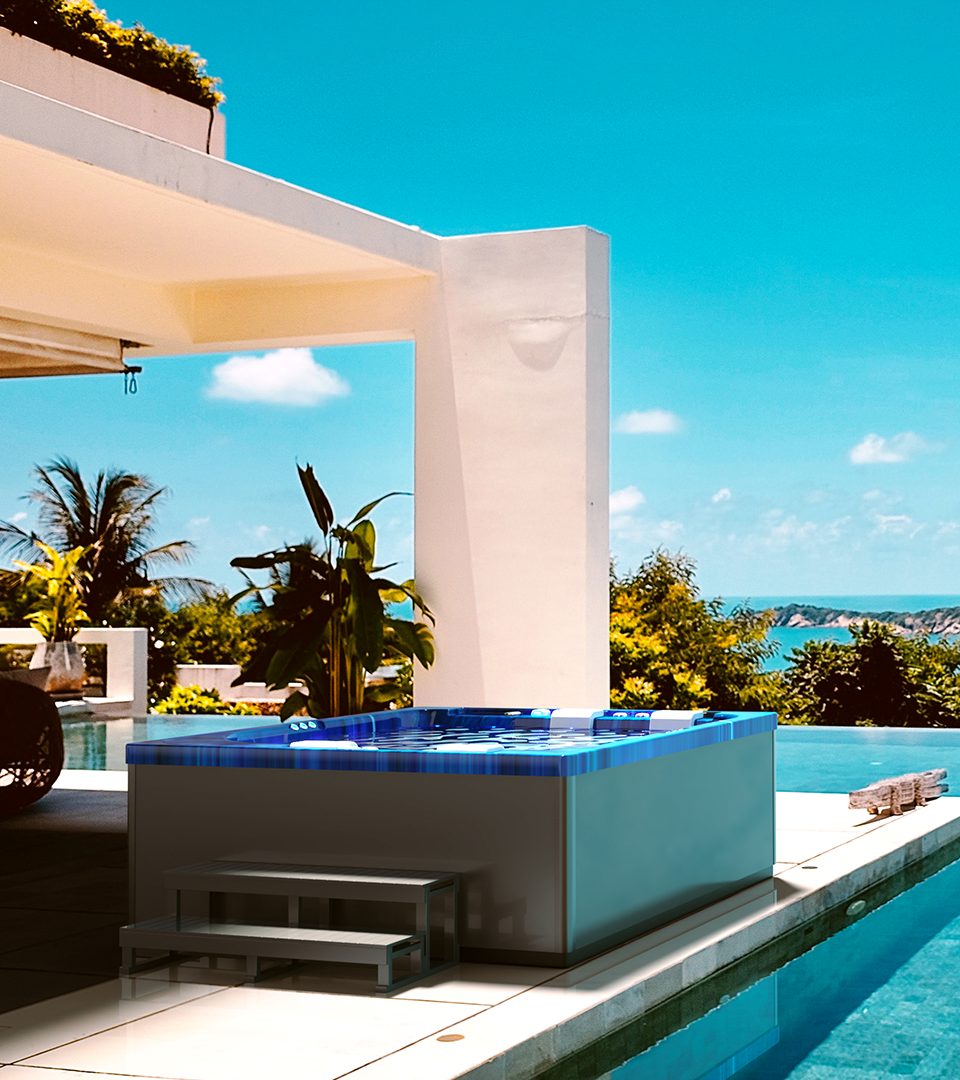
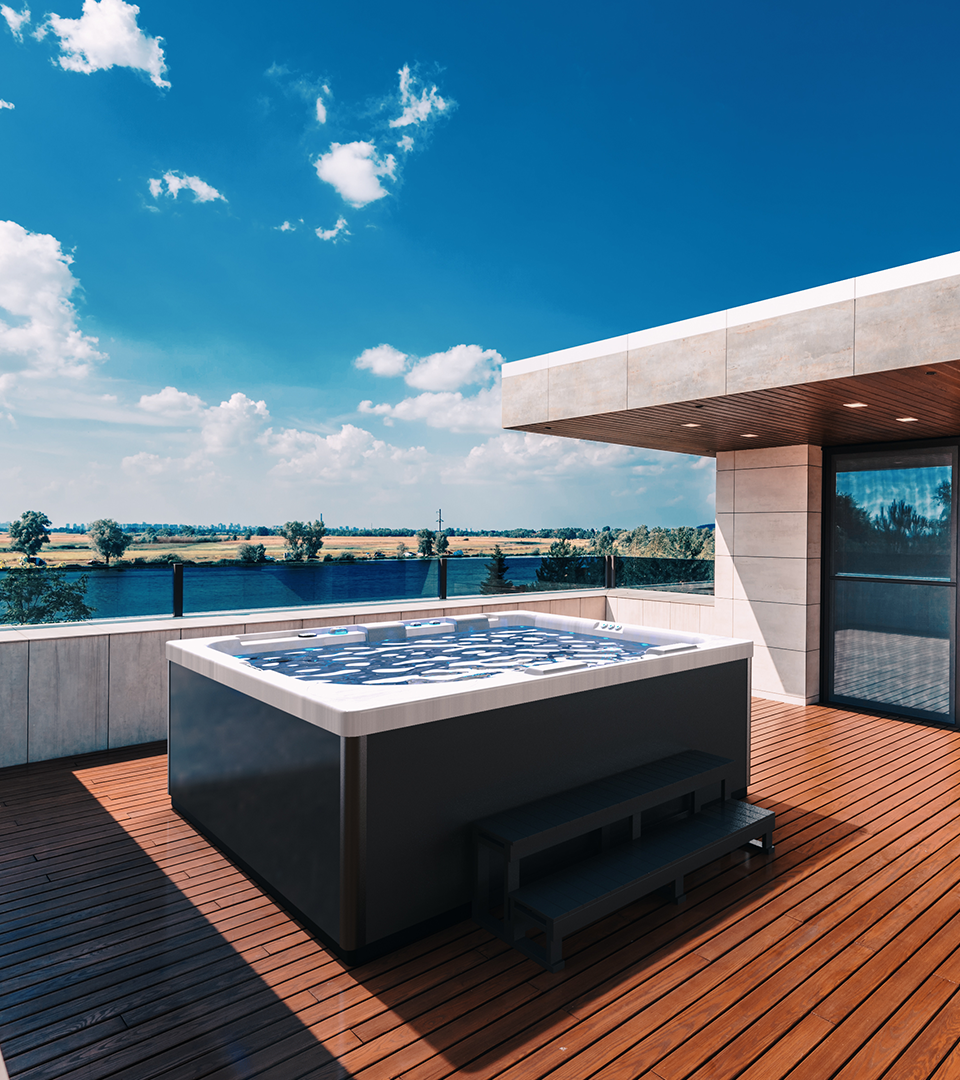
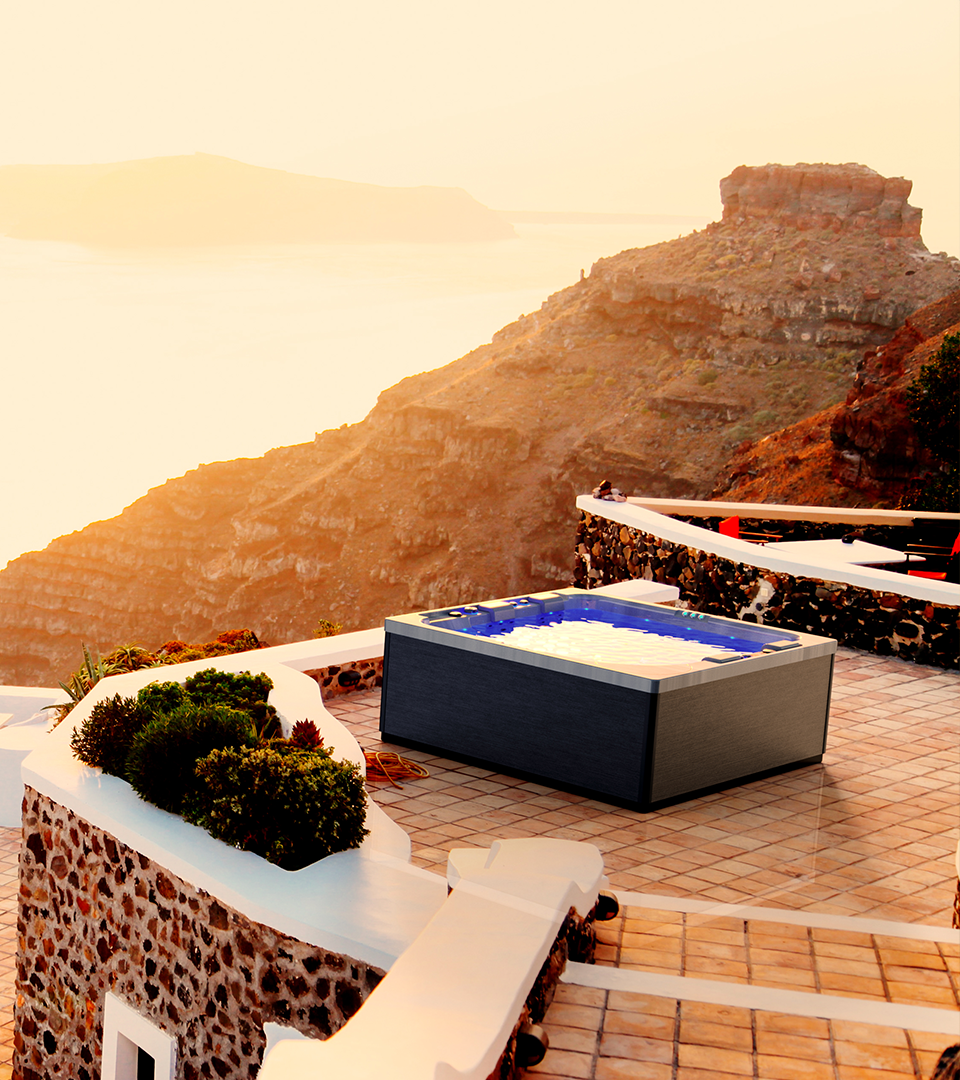
Adding a sauna or hot tub can elevate your hydrotherapy home spa. These features promote relaxation, detoxification, and muscle recovery.
3. Massage Tables and Relaxation Areas
Designate a tranquil space for massages or meditation, with comfortable seating and calming decor. Including a massage table or a cozy chair can enhance relaxation.
Incorporating Spiritual Elements: Aromatherapy and Soundscapes
To create a holistic hydrotherapy experience, consider integrating spiritual elements that promote relaxation and mindfulness.
1. Aromatherapy
Essential oils can enhance the ambiance and provide therapeutic benefits. Popular options for relaxation include:
- **Lavender**: Known for its calming properties.
- **Eucalyptus**: Helps to clear the mind and invigorate the senses.
- **Chamomile**: Promotes tranquility and relaxation.
Using a diffuser or incorporating scented candles can create a serene environment.
2. Soundscapes
Integrating calming sounds can enhance the spa atmosphere. Consider:
- **Water Sounds**: Use a sound machine or app that plays natural water sounds, such as rainfall or ocean waves.
- **Meditative Music**: Create playlists of soft instrumental music or nature sounds to promote relaxation.
These elements help create a peaceful ambiance, allowing you to fully immerse yourself in your hydrotherapy experience.
Maintaining Your Spa Sanctuary: Tips for Longevity
To ensure your hydrotherapy home spa remains a sanctuary for years to come, regular maintenance is essential.
1. Cleaning and Sanitizing
Regularly clean and sanitize your bathtub and other features to prevent buildup of bacteria and grime. Use gentle, non-toxic cleaning products to preserve the integrity of your materials.
2. Inspecting and Repairing
Periodically inspect your plumbing, jets, and fixtures for leaks or damage. Address any issues promptly to avoid costly repairs.
3. Refreshing Decor
Keep your sanctuary fresh by periodically updating decor elements. Consider rotating plants or adding new accessories to maintain a dynamic and inviting space.
Frequently Asked Questions
1. What is hydrotherapy?
Hydrotherapy is a therapeutic practice that utilizes water in various forms—such as soaking, hot tubs, and steam showers—to promote relaxation, improve circulation, and relieve pain.
2. How can I create a hydrotherapy experience at home?
Start by selecting a suitable bathtub, incorporating calming design elements, and adding relaxation features like aromatherapy and soundscapes to enhance your experience.
3. What types of bathtubs are best for hydrotherapy?
Soaking tubs, whirlpool tubs, and air tubs are all excellent options for hydrotherapy, each offering unique benefits.
4. How important is lighting in a home spa?
Lighting plays a crucial role in setting the mood and enhancing relaxation. Soft, adjustable lighting can create a calming atmosphere in your spa.
5. Can I incorporate plants in my home spa?
Absolutely! Indoor plants enhance aesthetics and improve air quality. Choose humidity-loving plants for the best results.
Conclusion
Designing your hydrotherapy home spa sanctuary is an enriching endeavor that fosters relaxation, healing, and rejuvenation. By carefully selecting the right elements, from your bathtub to the ambient lighting and natural features, you can create a personal oasis that promotes well-being. With ongoing maintenance and thoughtful design, your spa sanctuary can become a cherished retreat, where you find your zen and escape the stresses of everyday life. Embrace the journey of creating this tranquil space, and let it transform your home into a haven of peace and wellness.
hydrotherapy home spa




